
Article written by IM Tim Taylor
I won the club championship for the first time in 2002, when I scored 8-0.
This year I was able to win again; it was necessary to start fast as there were only five rounds!
Here is my first round game.
Complete Game With Annotations
Diagrams
If 2.Nf3 instead of 2.C4
Less challenging is 2. Nf3 which I faced in Hungary.
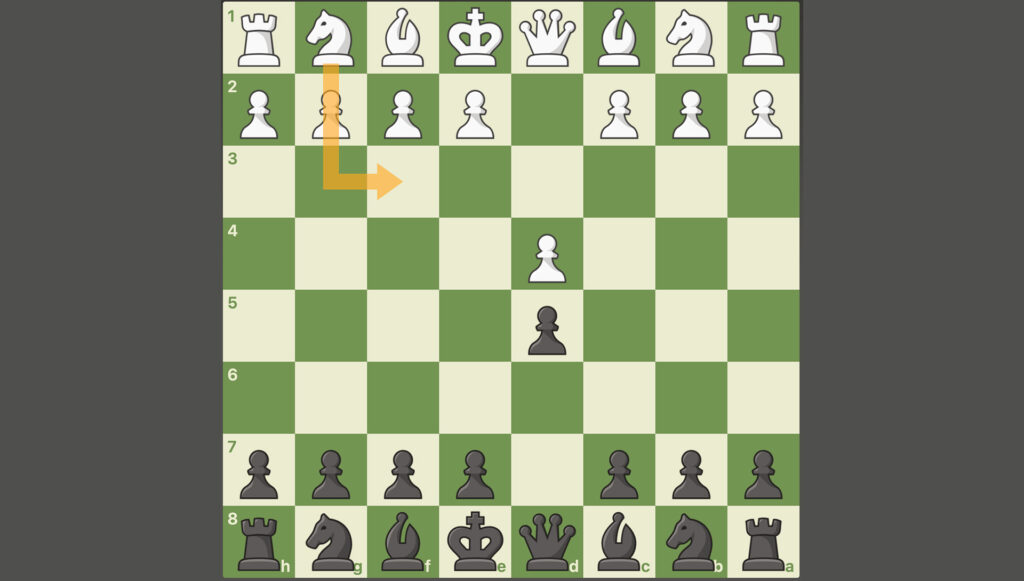
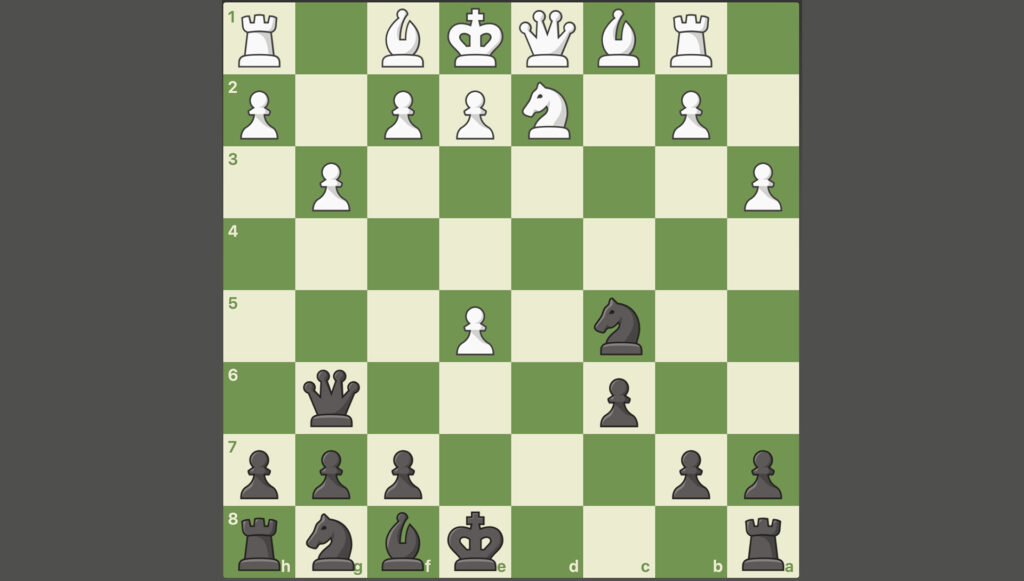
(After 2… Bf5 3. c4 e6 4. Nc3 c6 5. Qb3 Qb6 6. c5 Qc7 7. g3 Nf6 8. Bg2 Be7 9. h3 Nbd7 10. Bf4 Qc8 11. g4 Bg6 12. Qd1 Ne4 13. O-O O-O 14. Ne5 Nxc3 15. bxc3 Nxe5 16. Bxe5 b6 17. cxb6 axb6 18. a4 Ra6).
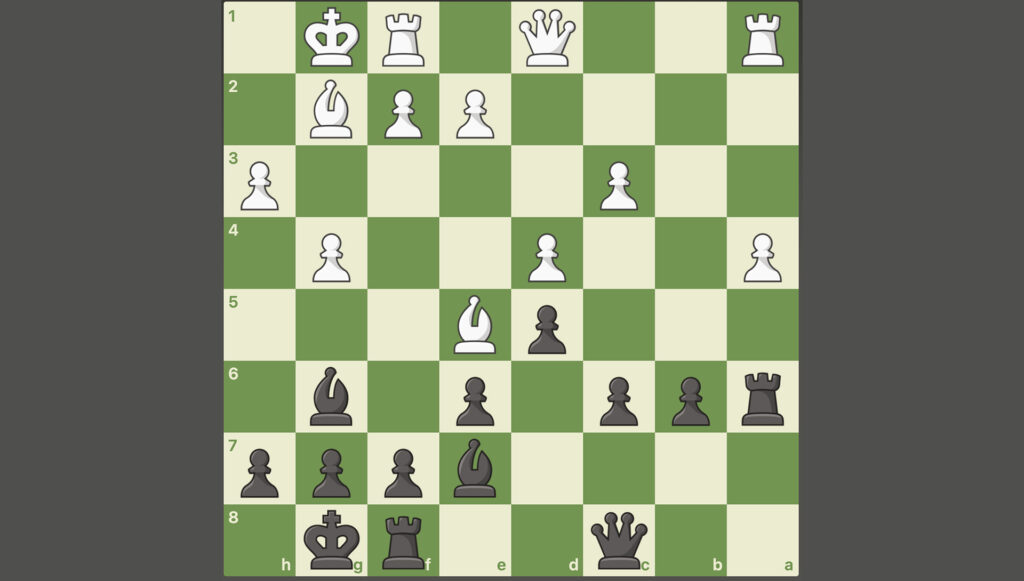
Black is better due to the weakness of the White a pawn, and I went on to win in Peric,S-Taylor,T Kecskemet 2003.
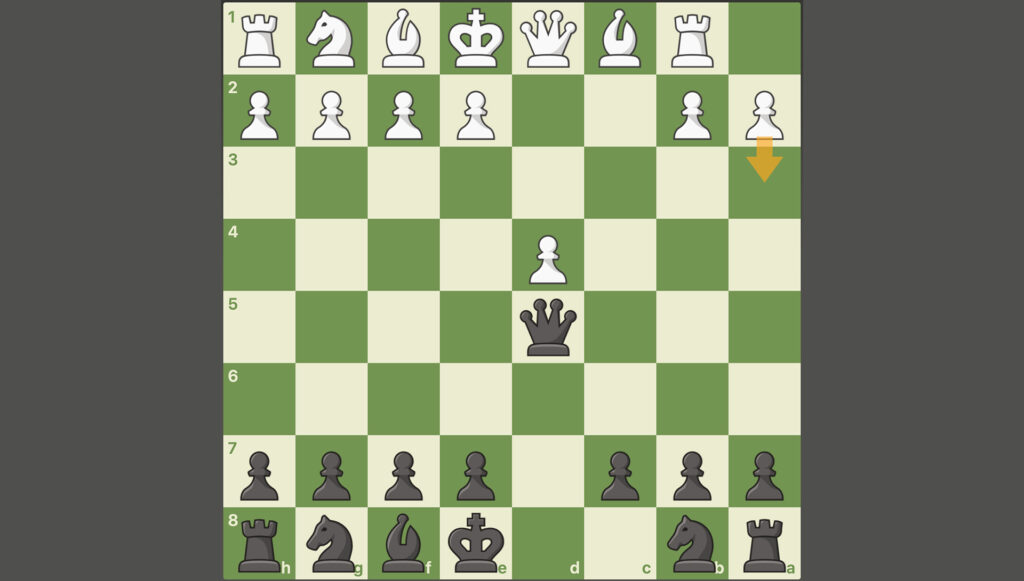
If 3…Qxd5 instead of Bxb1
Not 3… Qxd5? when White scores 84% with the tempo gaining 3.Nc3.
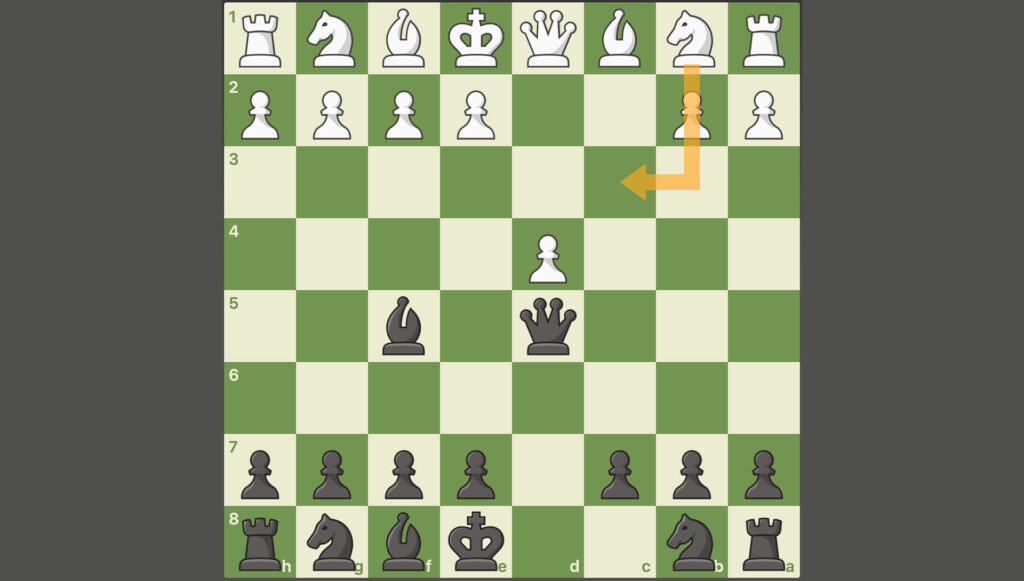
If 4.Qa4+ instead of Rxb1
Grandmaster Peter Horvath played the more popular and probably stronger 4. Qa4+ here against me. A subtle point of this check is now the WQ covers b4, avoiding a check from the BKB. Black has a playable game but is in fact slightly worse. The game continued…
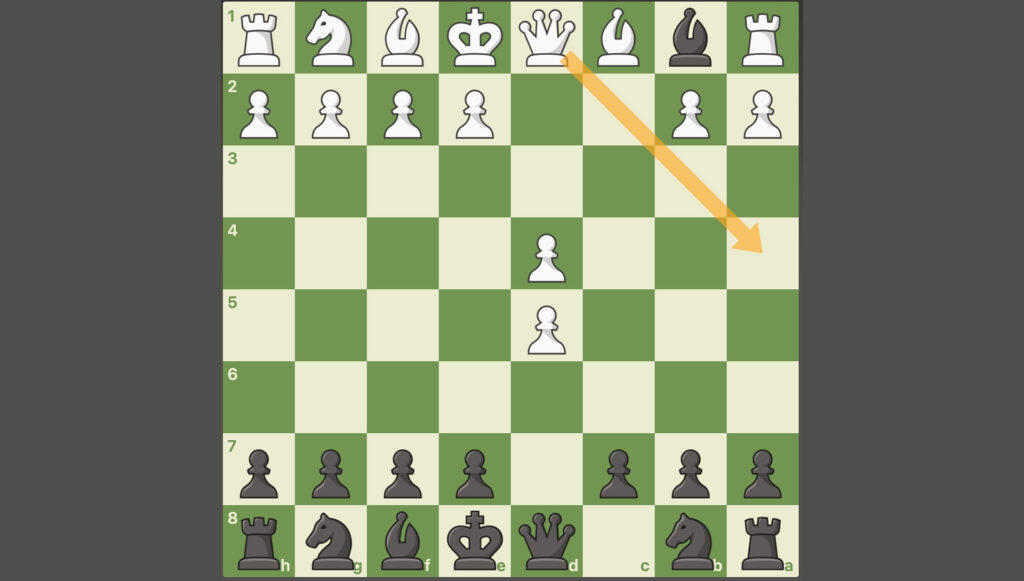
4… c6 5.Rxb1 Qxd5 6.Nf3 Nd7 7.a3 Qe4 8.Nd2 Qg6 9.g3 e5 10.dxe5 and White would have a small advantage after the normal Nxe5, but I made things worse with the fancy Nc5 and lost after 11.Qd1 in Horvath,P-Taylor,T Budapest 2003.
5.a3 Suggested
After the game my opponent asked what I would recommend for White.
I said 5. a3 is a solid move, defending the a pawn and preventing … Bb4+, often a theme for Black here. Black had a 200 point rating advantage in the following game, but could make nothing of it:
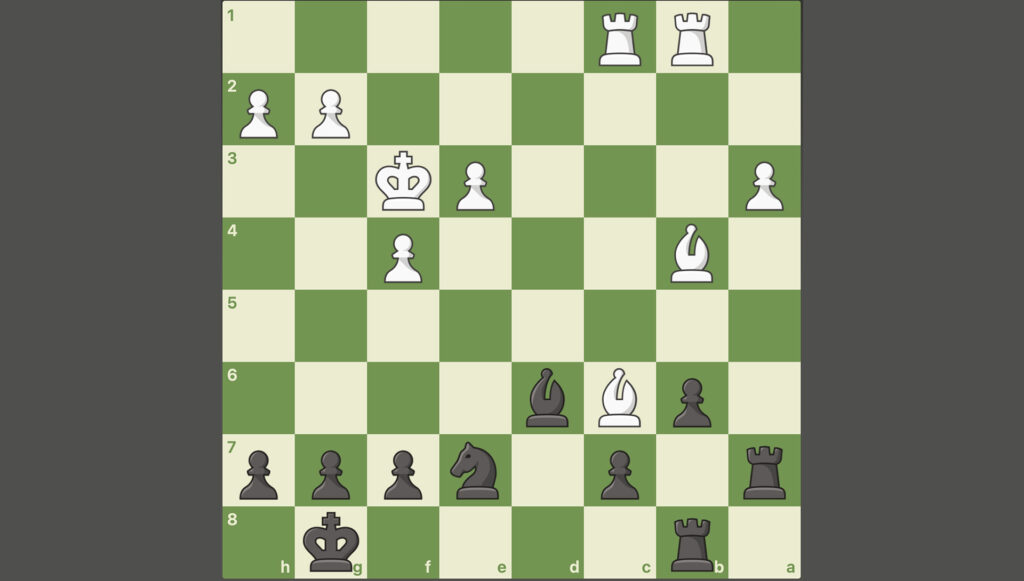
5.a3 Nc6 6.e3 e5 7.dxe5 Qxd1+ 8.Kxd1 Nxe5 9.Nf3 Bd6 10.Nxe5 Bxe5 11.Bd3 Ne7 12.Ke2 0–0 13.Bd2 a5 14.Be4 Rfb8 15.b4 axb4 16.Bxb4 Nc8 17.f4 Bd6 18.Rhc1 Ra7 19.Kf3 b6 20.Bc6 Ne7 ½–½ Kononenko,T-Epishin,V, Parla 2007.
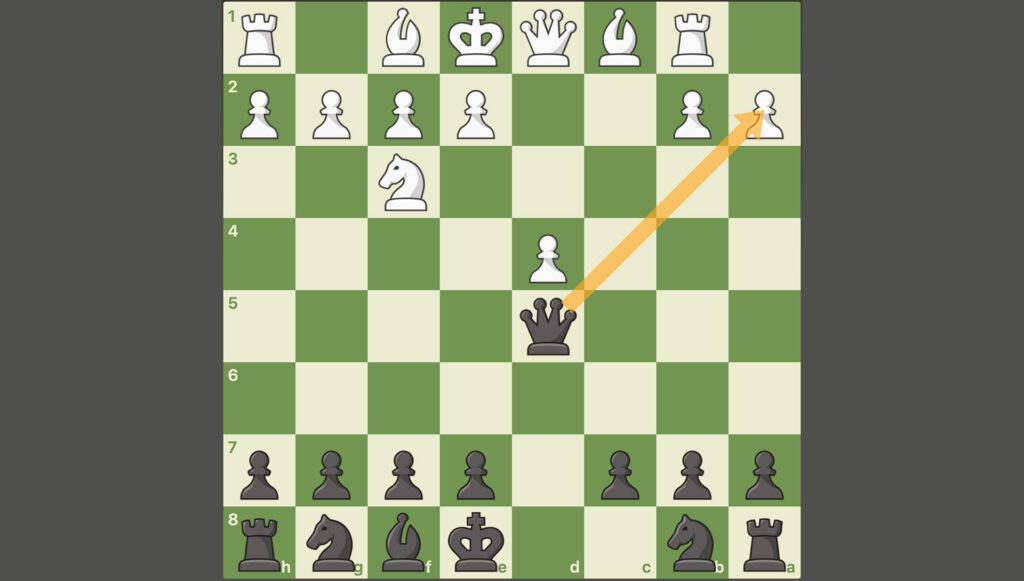
5.Qxa2 is Poisoned
I was in no mood to take the “poisoned pawn” with 5…Qxa2 and the following game is a witness for the prosecution!
6.Bd2 Nc6 7.e4 e6 8.Bb5 Nf6 9.Qc2 Nd7 10.0–0 e5 11.d5 Nd4 12.Nxd4 exd4 13.Ra1 Qxa1 14.Rxa1 Bd6 15.e5 Bxe5 16.Re1 0–0–0 17.Bxd7+ Rxd7 18.Rxe5 f6 19.Re1 Rxd5 20.Bf4 Rd7 21.Qc5 Kb8 22.Ra1 b6 23.Qc6 Rhd8 24.Qa4 a5 25.Qc6 Ka7 26.Bxc7 1–0 Matveeva,O -Tanenbaum,Z Chess.com INT 2021.
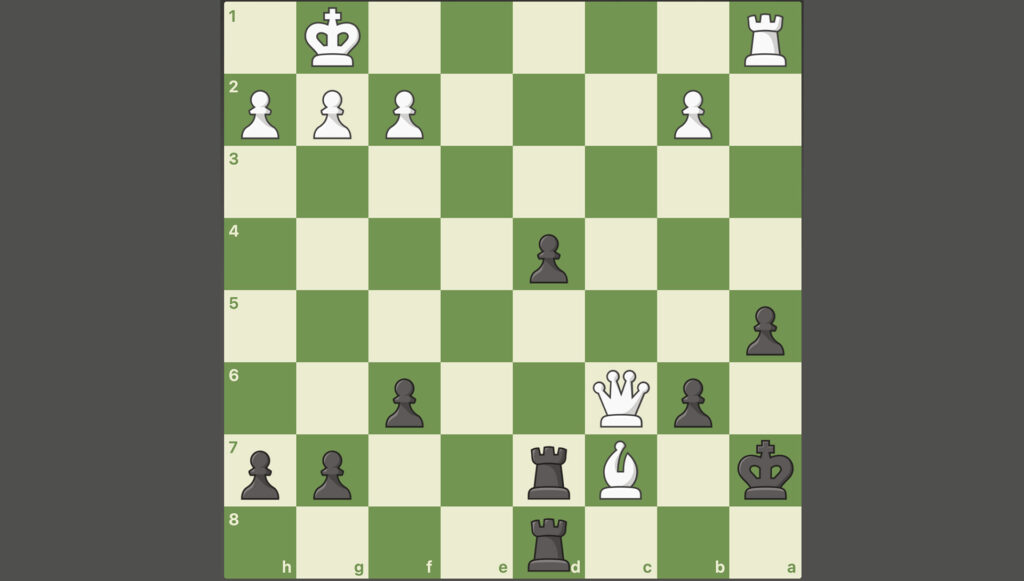
7.Bd2
A mistake, weakening the d pawn. Best is 7. dxe5 when I intended 7… Qxd1+ 8. Kxd1 O-O-O+ with compensation.
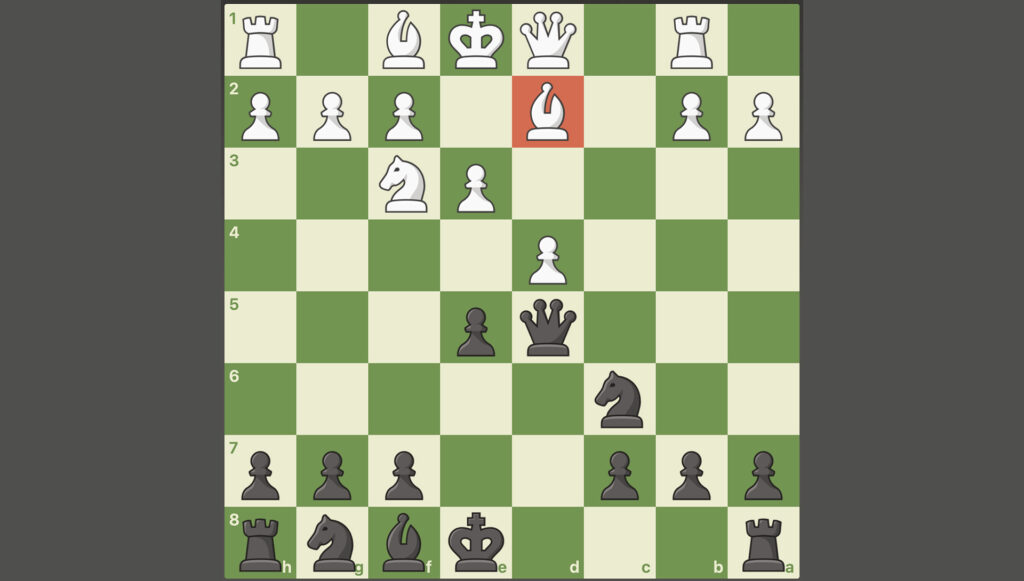
9…0-0-0
Black is better in this unexplored position. After White’s following move, fantastic tactics ensue!
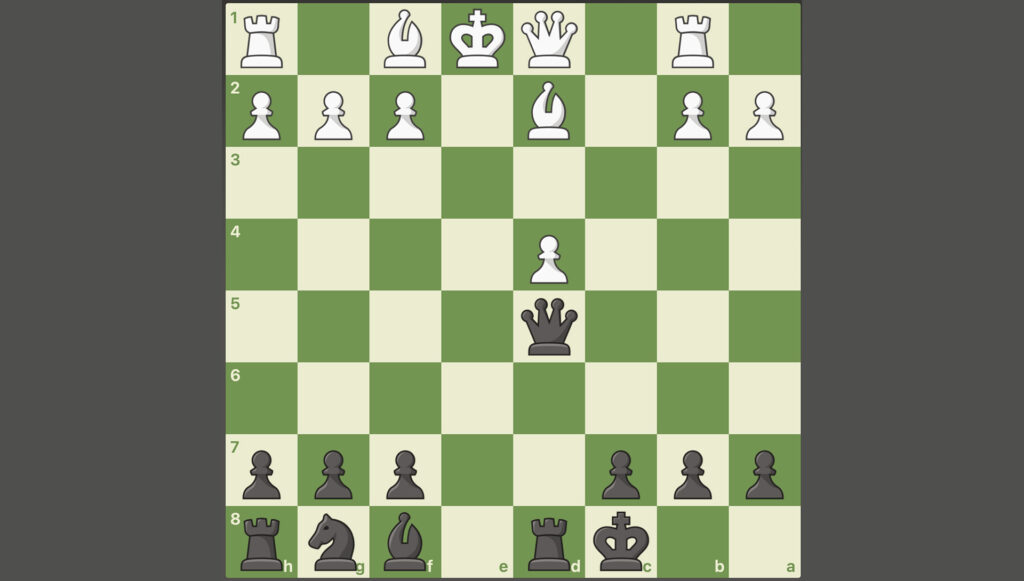
The computer says White has to try the following line, but as one sees, Black emerges a pawn up: 10.Qf3 Qxa2 (now this capture is safe, which is an argument for 5.a3) 11.Bd3 Qe6+ and Black is just up a pawn, as long as he avoids the trick on the next move! 12.Kf1 Qf6 and Black should win, but not 12…Nf6?? 13.Bf5 with a pin!
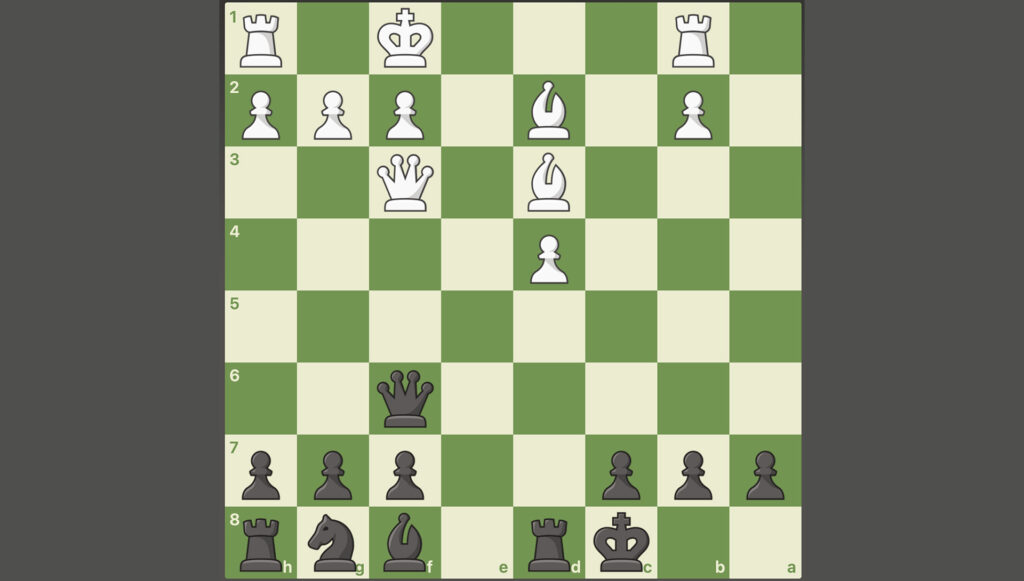
The Game’s Finish in Sight
I saw the finish here. There are no saves.
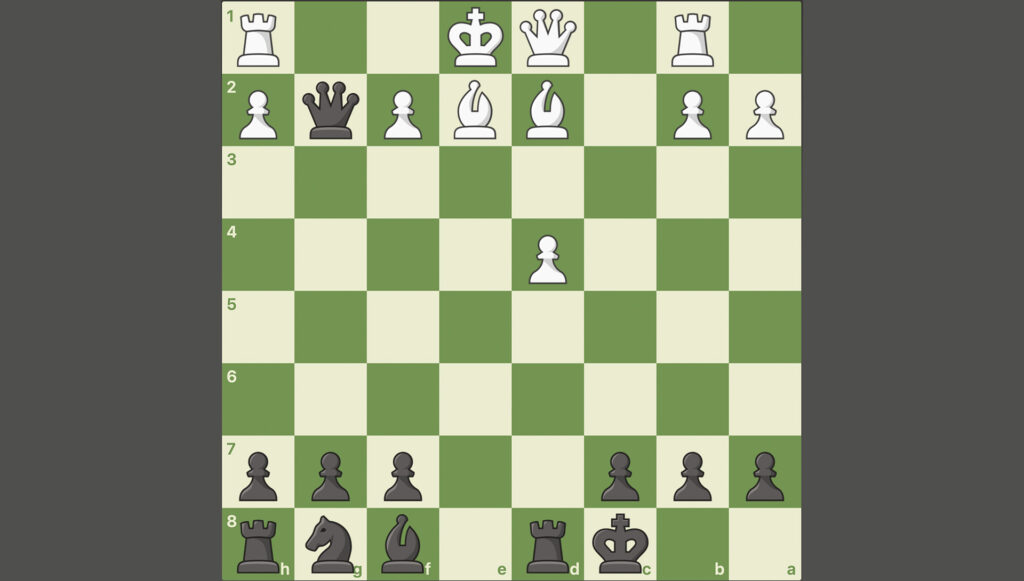
Had White tried 11.Bg4+ here, I win with the following devastating King hunt: 11… f5!! 12.Bxf5+ Kb8 13.Ke2 Re8+ 14.Be3 Rxe3+! 15.Kxe3 Qg5+ 16.Ke4 Nf6+ 17.Ke5 Bd6+ 18.Ke6 Re8+ 19.Kf7 Re7+ 20.Kf8 Rd7! with a pretty mate.
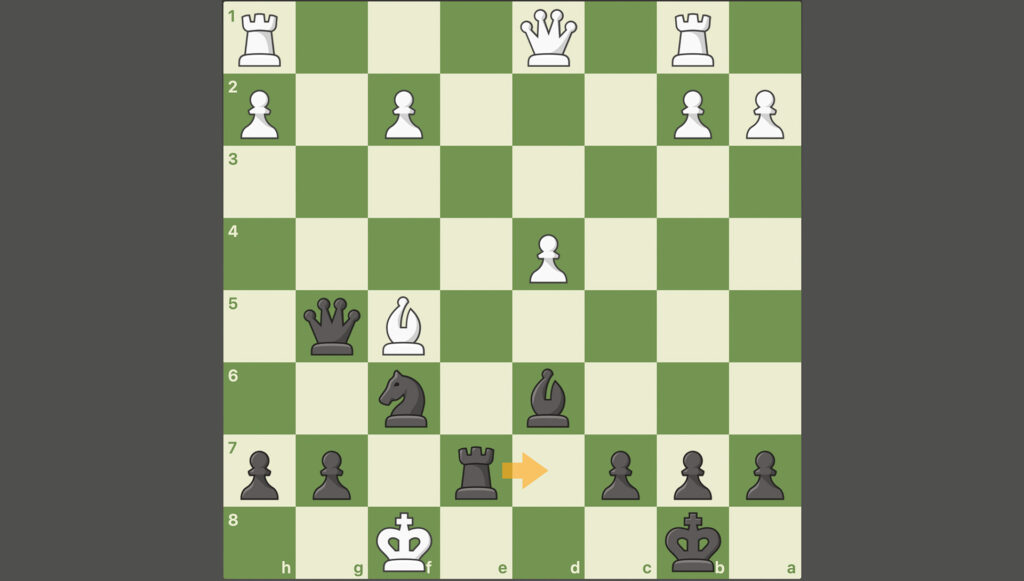
The Game’s Finish
White gives up the queen in view of 13.Kd2 Qxf2+ 14.Be2 Bb4+ There’s the bishop check! 15.Kc2 Rxe2+ etc.
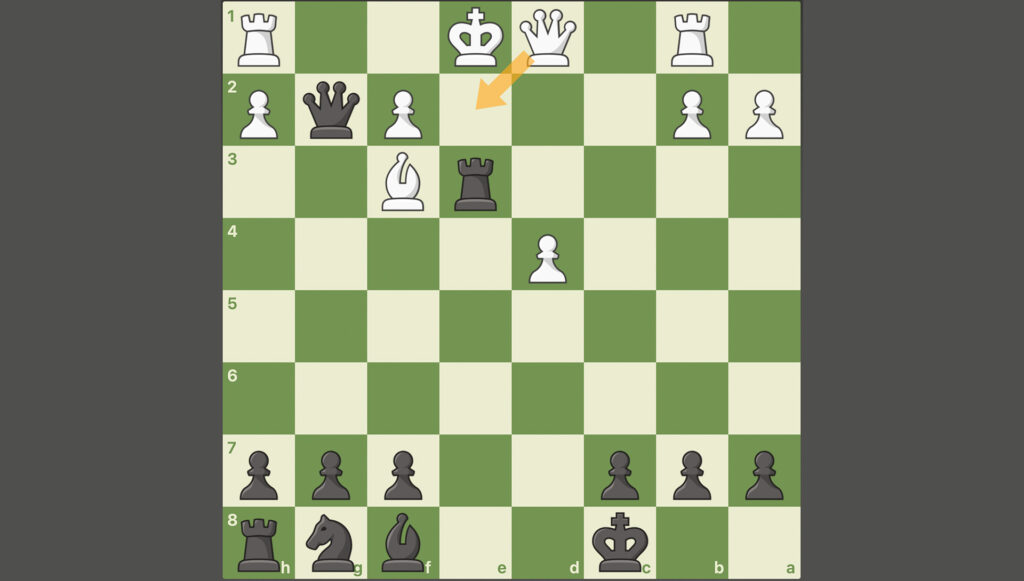
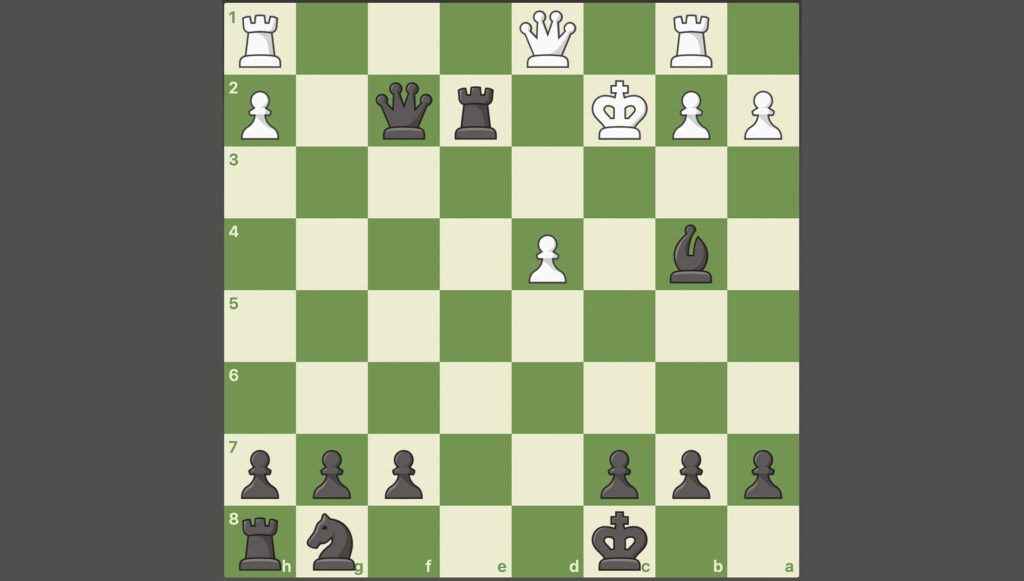
The Final Attack
The threat of Bh6+ gains a tempo for the final attack.
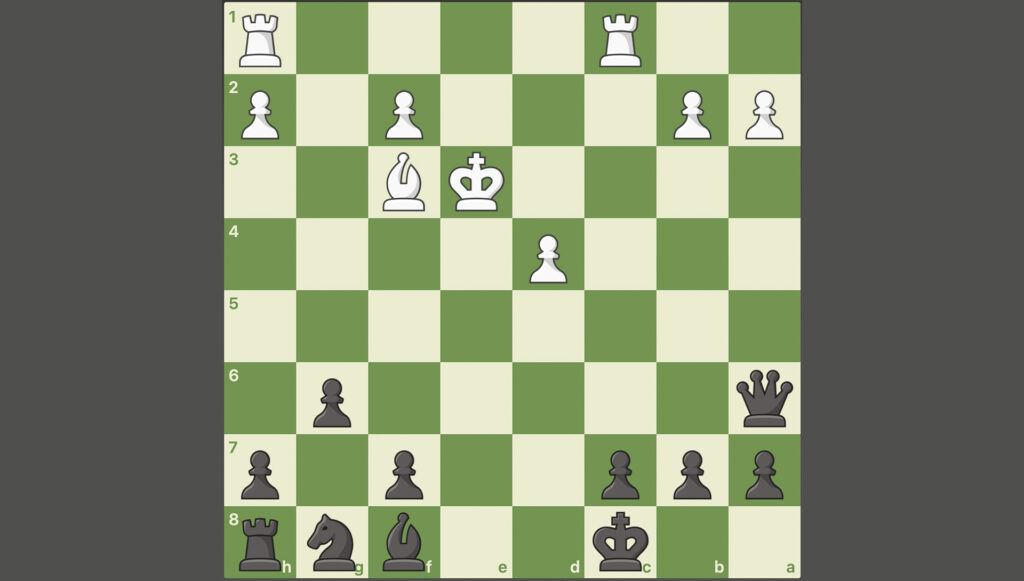
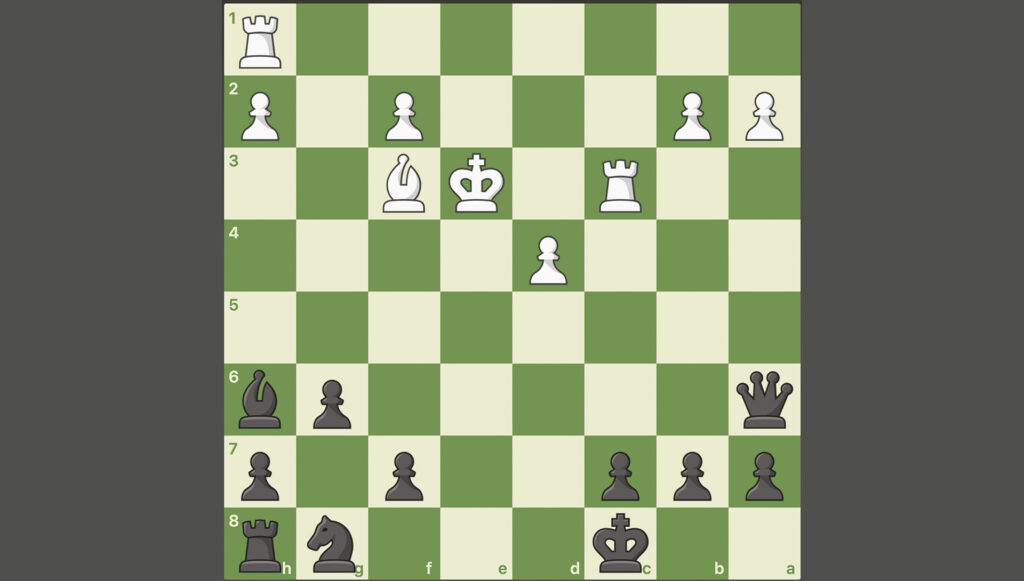
Here White resigned as every Black piece contributes and forces another pretty mate: 18. Ke4 Nf6+ 19. Ke5 Re8 Mate!
This game put me in a good mood and I won the next three, before closing out with a draw and a final score of 4 ½-½ which was good enough for clear first!